Trying to add a payment method? You can do this on the


I shouldn’t have made fun of Meghan Markle.
It was while I was cooking and canning applesauce with my son Ben and my new daughter-in-law Elizabeth.
“After the timer goes, you lift the jars out of the kettle like this,” I said, demonstrating with the special tongs made for safely removing glass jars from boiling water.
“And don’t hold this upside down like Meghan Markle,” I added, laughing, demonstrating how Prince Harry’s wife, in one of her homemaking videos, had held the curved end in her hand and clamped the wooden handles around the jar.
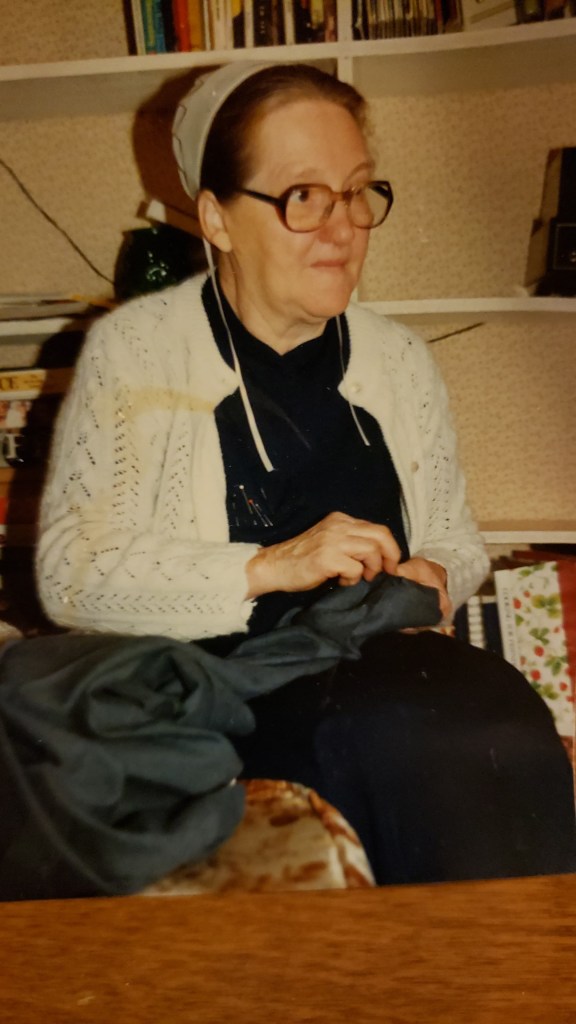
Later, I thought, you know, that wasn’t fair. I am quite sure Meghan’s in-laws don’t wear old calico aprons and can applesauce or green beans with her in the Windsor Castle kitchen.
I should bless Meghan and all the other young women out there who attempt these traditional tasks, many without mentors to follow.
My Amish mother learned from her mother to not only cook from scratch, with the most basic ingredients, but to source and produce her own food all the way back to seeds dried from last year’s tomatoes and baby chicks from the hatchery.
Despite helping Mom for thousands of hours, I did not have a knack for butchering chickens or blanching peas. Yet, when I eventually had my own garden and pressure canner, my hands and heart remembered the skills — dropping bean seeds into the soil every 18 inches, pulling weeds, picking and snapping the beans, filling the jars and watching the pressure gauge on the huge canner.
I’ve been intrigued and a bit mystified by the new phenomenon of “tradwives,” women who try to return to traditional ways and demonstrate the details of their lives on social media.
They “stretch and fold” their sourdough bread, sew linen shirts for their children, gather eggs from the chickens, and grow herbs in flowerpots, all with a sense of wonder, as though this is a new way to live and these tasks are their own clever inventions.
While I don’t see their videos that often, I tend to laugh or roll my eyes when I do. Such a fuss about gathering eggs, with no mention of the upkeep it takes to keep a coop from smelling like ammonia. And have they no shame posting a sewing how-to with unpressed seams and unfinished edges.
Mostly, I feel like I did when a local content creator posted about these amazing new eco-friendly practices she had discovered — like hanging laundry on the line to dry! She showed the steps involved, what kind of clothespins she used, and how she hung her T-shirts on a rack indoors in rainy weather.

I thought, “Seriously? I have been doing this all my life, as have all the generations before me. How is this suddenly a ‘new’ thing? What’s next? Posting a tutorial for brushing your teeth?”
While I’m a bit confused at the movement and don’t understand how an incompetent young homesteader can gather a million followers, I also don’t understand the pushback and even rage against the tradwife movement.
A hundred years ago, most of our foremothers worked at home and raised a family. They wore aprons, cooked from scratch and grew their own vegetables. For most, it was neither oppression nor a superior way of life. It was how everybody lived.
Some of us, especially in rural and religious cultures, carried on the traditions longer than people around us.
Naturally, not every housewife in 1960 enjoyed every task or was good at what she did, such as the legendary Mennonite woman from Iowa who hated to cook and would feed her many boys with one can of soup in a pan followed by 4 cans of water. I’m told they filled up on the saltines they added.
My mom, Sara, and her sister Vina loved outdoor work like gardening and berry picking.
“Before we were married, we would work a full day at our regular jobs and then hitch up the horse and go pick berries and come home and can them that night. We worked so hard we used to think we were half horse!” Aunt Vina told me. I could hear in her voice the pride in their hard work and the joy of taking on a challenge.
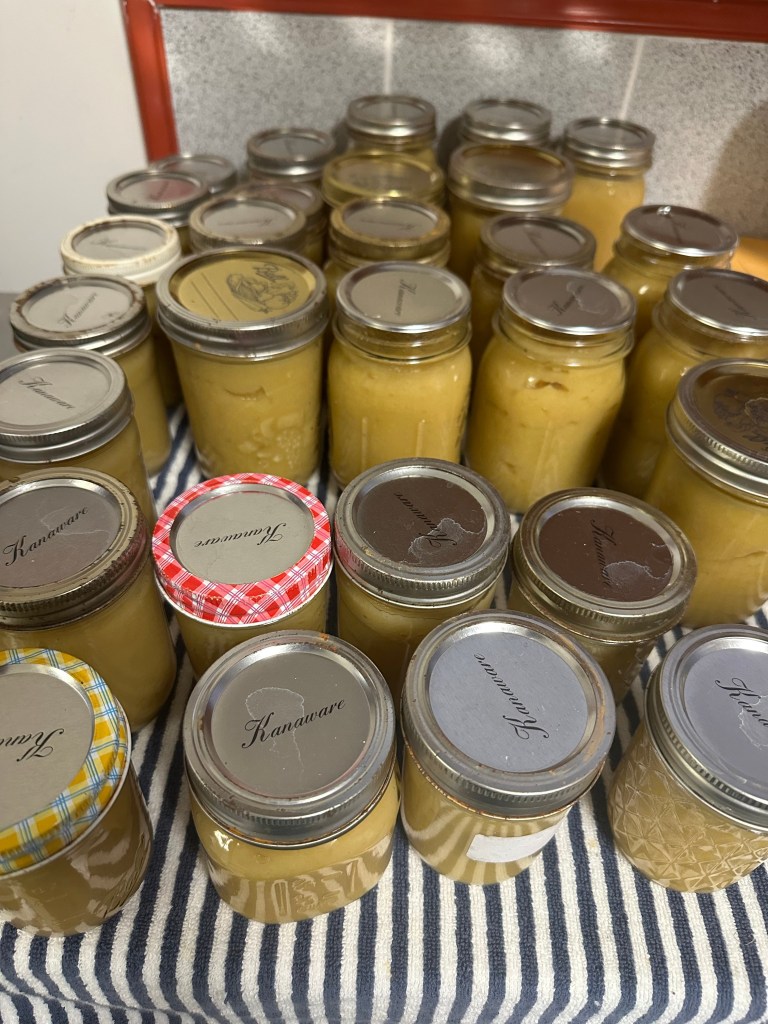
But Mom didn’t enjoy sewing or housework as much as outdoor work. In the Amish community that was a bit shameful, maybe, but not a big deal. We always cleaned up the house in a mad flurry when company came.
Mom and Dad involved us in all the work on the farm, and I have chased enough pigs and shucked enough sweet corn to know that homestead life is brutally hard work. I don’t think anyone romanticized farm life in Minnesota in 1975. It was a good rewarding life, but there was nothing dreamy about it.
Today, women get to choose — a great privilege. You can buy spinach at Safeway or grow it yourself. If someone decides to stay home with a family and grow chickens and green beans, more power to them, I think.
It takes courage to learn traditional skills when you don’t have any history or memories with a kitchen full of aunts preparing food or a mom in the garden in the early morning, hoeing before the sun gets too hot.
If a young woman wants to document her process on social media, she ought to have that option. The public cynicism and my private eye-rolling shouldn’t stop her. But I do wish I could have her over to my house to teach her the right way to can applesauce.